
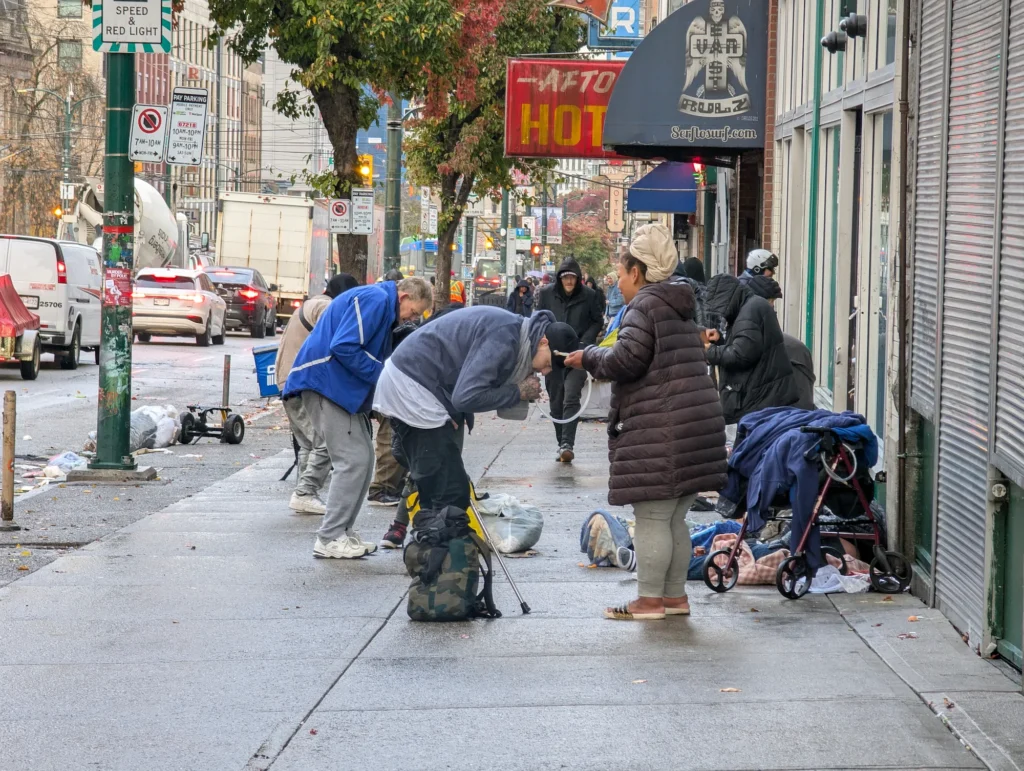
Budget 2026 says the illegal drug crisis takes the lives of “an average of 15 Canadians per day.” The number is not the budget’s own. The Council of Chief Medical Officers of Health reported on June 15 that 5,608 people died of opioid-related causes in 2025, about 15 a day and 23 per cent fewer than in 2024. Stimulant-related deaths fell 31 per cent. In 2023, the count had stood at 8,040, the pandemic-era high, and Health Canada’s page puts the total at over 56,600 opioid-related deaths since 2016.
Fewer deaths are what the money was supposed to buy, and they are also the result a budget can cite to justify spending less. The two federal lines that fund drug-crisis services in Budget 2026 both run on short clocks. The Emergency Treatment Fund is renewed at $100 million over two years, starting in 2027-28. The transfers that pay provinces for mental health and addictions services are extended by one year, to March 31, 2028, and the budget’s own fiscal tables show the money ending after that year.
The Canadian Drug Policy Coalition welcomed both lines in its November 5 release, and it is right that a funding gap was avoided. A neighbourhood that counts its dead by the block needs to know how long the bridge is, who may cross it and what waits on the far side.
Who can apply to the Emergency Treatment Fund
The Emergency Treatment Fund exists to put small, fast money into local hands. Budget 2026 describes it as support for “locally driven responses to urgent substance use and overdose needs, including mobile outreach, naloxone distribution, and land-based healing programs in municipalities and Indigenous communities.” The renewal is $40 million in 2027-28 and $60 million in 2028-29.
The route runs through two doors. Under the 2025 call, which opened on October 6 and closed on November 4, 2025, eligible applicants were Canadian municipalities and their agencies outside Quebec and Alberta, and Indigenous entities, including First Nations, Métis governing bodies, and not-for-profit Indigenous organizations. A community nonprofit that is not Indigenous cannot apply on its own. It can partner with a municipality or an Indigenous applicant, or receive money through one.
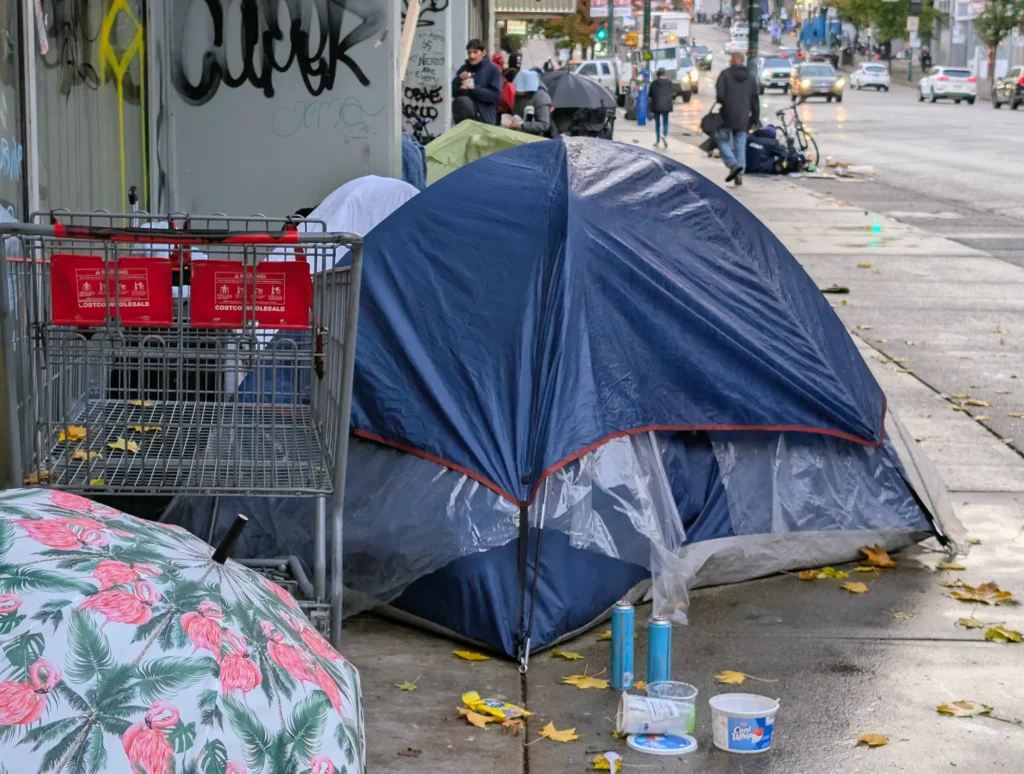
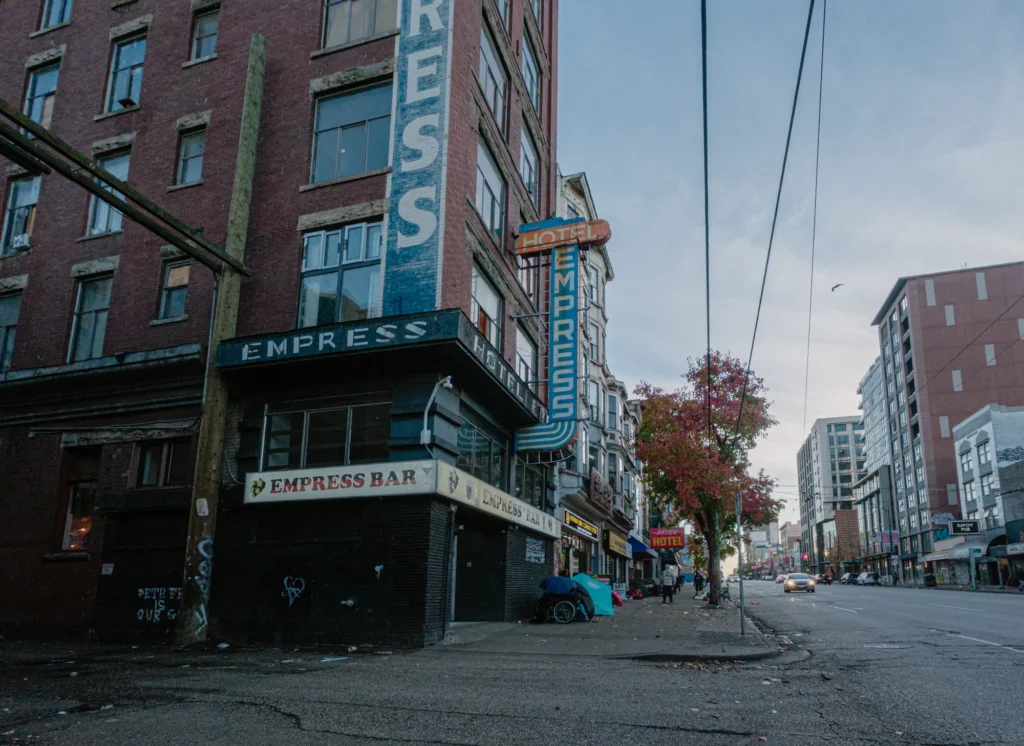
On the Downtown Eastside, that rule has one visible result. Health Canada’s funded projects page lists 114 projects, 35 of which are in British Columbia. Exactly one names the neighbourhood: All Nations Outreach, $492,000, for overdose prevention, harm reduction, safe transportation and culturally grounded programming for Indigenous people in the Downtown Eastside. On January 13, Health Minister Marjorie Michel and the federal fentanyl czar, Kevin Brosseau, visited East Hastings, and the federal announcement that month named All Nations Outreach as a recipient. The page now lists the project as closed.
The scale is set by the applicant guide and the budget. Awards under the 2025 call reached up to $2 million per organization per fiscal year, ran for 12 months, and were described as final and non-negotiable once made. A mobile outreach van is the kind of project that arrangement suits and the kind it strains. A van can be bought within a year. A team that knows its regulars by name takes longer to build and a single funding gap to lose.
Cheryl Dowden of ANKORS in Cranbrook, quoted in the coalition’s release, called the Fund’s renewal essential for community organizations. She spoke from outside the neighbourhood, and her point carries here as well. The Fund reaches only the organizations that fit through its doors, and it reaches them for about a year at a time.
What the $1.2 billion buys and until when
Budget 2026 uses the word “renew,” and the word matters. The Fund’s earlier rounds were real money: the 2024 call selected more than 100 projects worth more than $100 million. The budget’s $100 million over two years sets the total for the subsequent rounds, and nothing in the text calls it an increase. A fund described as renewed has to be compared with what it replaces, and the budget does not make that comparison for the reader.
The larger line carries a different problem. The budget provides “$1.2 billion in 2027-28 to extend federal funding agreements with the provinces and territories for mental health and addictions services, as well as home and community care, until March 31, 2028.” Since 2018-19, Ottawa has sent $11 billion through these agreements. The budget provides no breakdown between the two purposes, so a reader cannot say how much of the $1.2 billion goes to addiction care. The coalition describes it as addictions and mental health funding. The text describes a shared pot.
A later page settles the question of duration. The health-agreements note describes the $1.2 billion a year in transfers supporting home and community care and mental health and addictions services as “being extended for one year in Budget 2026,” and says “the latter two funding sources expire after 2027-28.”
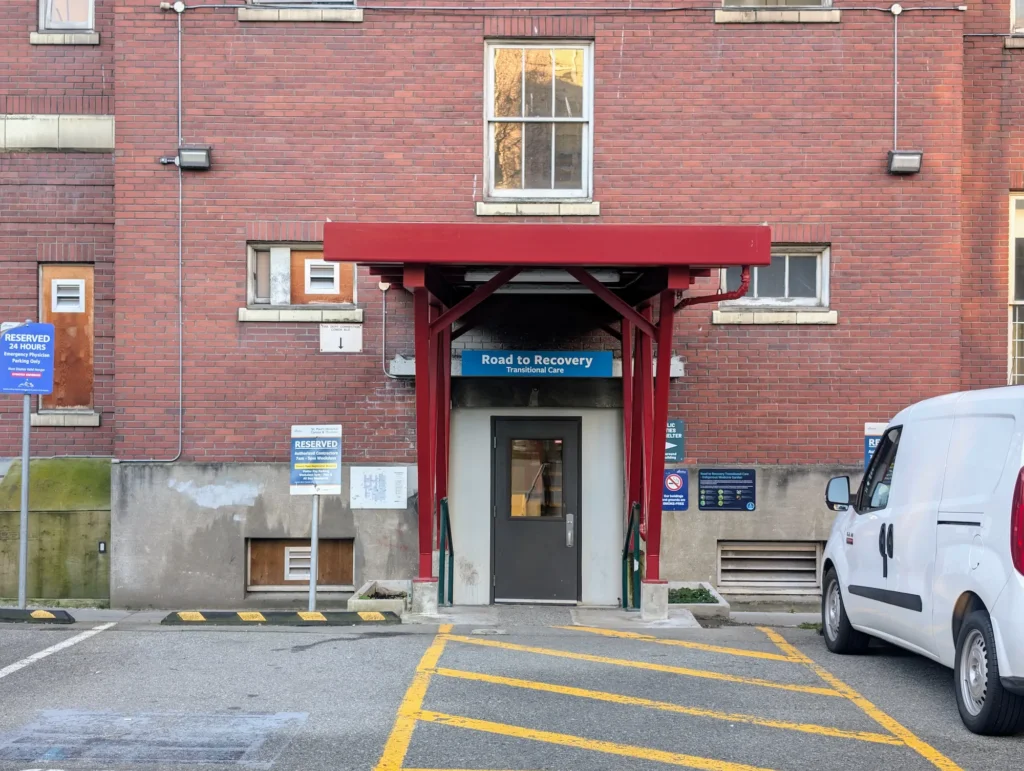
Then comes the model’s central contradiction. The budget gives $2 billion over two years, from 2027-28, to the Health Infrastructure Fund for community mental health and addictions facilities. Federal money pays for capital. Provinces and territories “will be expected to fund ongoing operations and wraparound services.” The operating money that provinces have drawn on since 2018-19 is scheduled to end on March 31, 2028. A facility finished after that date would open into a transfer system whose budget schedules are set to expire, unless a later budget renews it.
The arrangement has a logic. Ottawa can build once and be done, while a province has to pay a clinic’s nurses every pay period for as long as it stays open. The logic breaks where the province’s own revenue for those pay periods is the transfer that has been supplying it. A facility is only as durable as the wages behind its doors, and the budget funds the doors.
Budget 2026 on decriminalization and treatment standards
A word search of the budget’s 532 pages returns nothing for “decriminalization,” “safer supply,” “supervised consumption,” “treatment standard,” “involuntary” or “detention.” The document calls the crisis “the illegal drug crisis” and moves on. Regarding treatment standards, no public statement is found in the budget text. Silence in a budget is not a decision, nor is it the absence of one. It leaves the question with whoever writes the next document.
British Columbia’s side of the question is already settled. The province’s decriminalization exemption ended on January 31, 2026, after Health Minister Josie Osborne announced on January 14 that B.C. would not seek an extension. B.C. had recriminalized public use in 2024. A federal budget that says nothing about decriminalization arrives in a province where the policy has ended, and it removes no pressure to explain what replaces it.
The coalition reads the document differently. Its release criticizes a hands-off approach to treatment standards, continued criminalization, operating costs left to the provinces, and public money flowing to private treatment companies. It also characterizes the $2 billion facilities fund as money for involuntary detention. The budget does not use that word. It describes the fund as building community mental health and addictions facilities that provide “care before people reach a crisis point.”
Both readings are on the record, and the text directly supports only one of them. Someone who wants to know whether the new facilities will hold people against their will will not find the answer in the budget. The answer will come from provincial law and from the provinces that choose to run the buildings. This site’s coverage of Vancouver’s plebiscite shows what that choice looks like when a city asks for secure care and finds the Province holding the key. A budget silent on standards leaves every reader free to fill the gap with the policy they already hold.
What happens to outreach funding after March 2027
The 2025 call required applicants to plan activities that finish by March 31, 2027. The renewal money starts in the fiscal year that begins on April 1, 2027. The call page makes no statement about a future intake, and nothing else on the Health Canada pages announces one. A provider planning an outreach team’s April schedule therefore does not know whether an intake will exist, when it will close or whether the provider will be eligible to lead it.
Vancouver does not appear as a municipal recipient on the funded-projects page, nor does Vancouver Coastal Health. The door open to cities has not been used here, on that listing. A Downtown Eastside nonprofit that is not Indigenous has to find a municipal or Indigenous partner willing to apply on its behalf and handle the paperwork for a 12-month project.
The cost of a gap is documented. The B.C. Coroners Service reported on October 14 that 113 people died of unregulated drug toxicity in July, about 3.6 a day, and 126 in August, about 4.1 a day. It counted 237 deaths in Vancouver in its 2026 figures. The rate is lower than at the peak. It is still a person every six or seven hours across the province.
That is the figure a funding gap acts on. Outreach workers, naloxone kits, and a van with a driver who knows where the day’s trouble is cannot be paused for a quarter and restarted at the same strength. The 2025 projects end on March 31, 2027, and a worker whose contract ends that day must decide in February whether to wait for an unannounced call.
Ten years of deaths, two years of funding
The same budget knows how to write a long promise. Reaching Home, the federal homelessness program, is renewed for 10 years, with $2.1 billion over three years from 2028-29 and $4.4 billion in later years. Housing gets a decade-long horizon.
The drug crisis has run far longer. Health Canada counts more than 56,600 opioid-related deaths since 2016, ten years of them, and the longest federal clock in Budget 2026 for the services that answer it is two years on the Emergency Treatment Fund and one on the provincial transfers. The deaths are falling, and the commitment behind the teams that respond to them has not grown with the fall. A renewal that restarts the clock without lengthening it asks the same teams to wait again.
Ottawa can fix this in a paragraph. It can state whether the Fund runs past March 31, 2029, say how much of the $1.2 billion is meant for addictions care, and name the government that pays the nurses in the buildings its $2 billion builds. The Spring Economic Update 2027 is the first scheduled chance, and the 2025 projects end on March 31, 2027. The crisis has lasted ten years. The budget’s longest answer to it ends on March 31, 2029.

Kris has been at the forefront of Downtown Eastside initiatives for over 15 years, working to improve the neighbourhood. As a consultant to several organizations, he played a key role in shaping harm reduction strategies and drug policies. A strong proponent of decisive action, Kris’s work focuses on driving tangible change and advocating for solutions that address the complex challenges facing the community.



Leave a Comment